Cargando el producto…

Precio desde
$ 33.639
+ flete y aranceles — se calculan al cotizar
Color
Opción 2
Compra protegida
Puerta a puerta
Aduana incluida
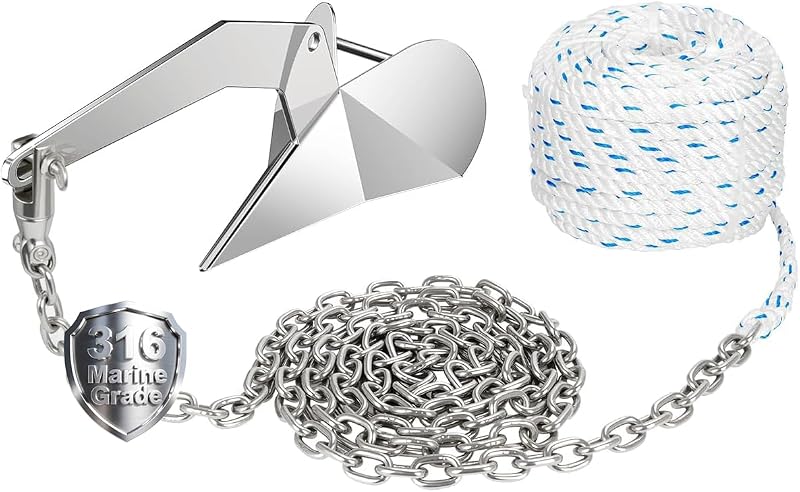
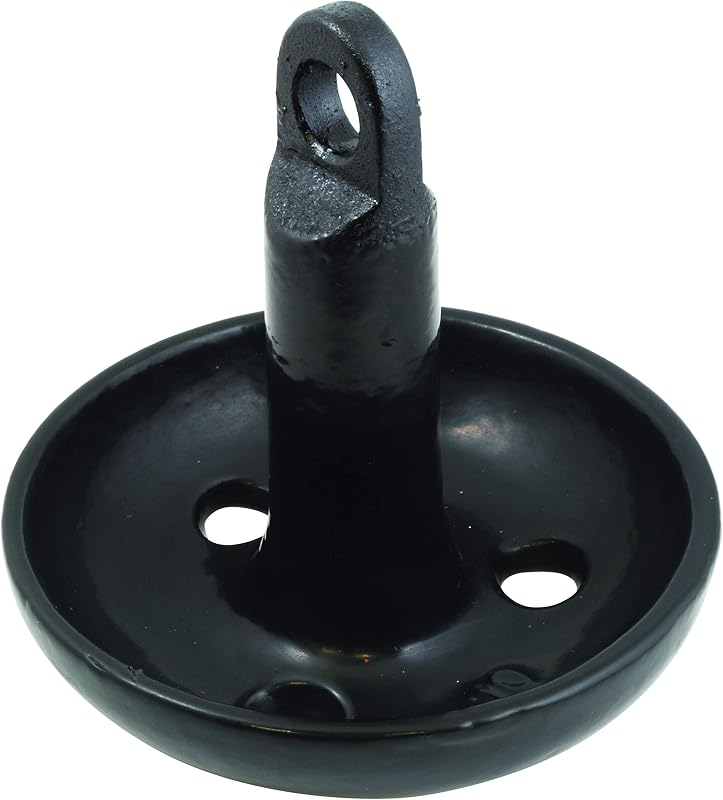
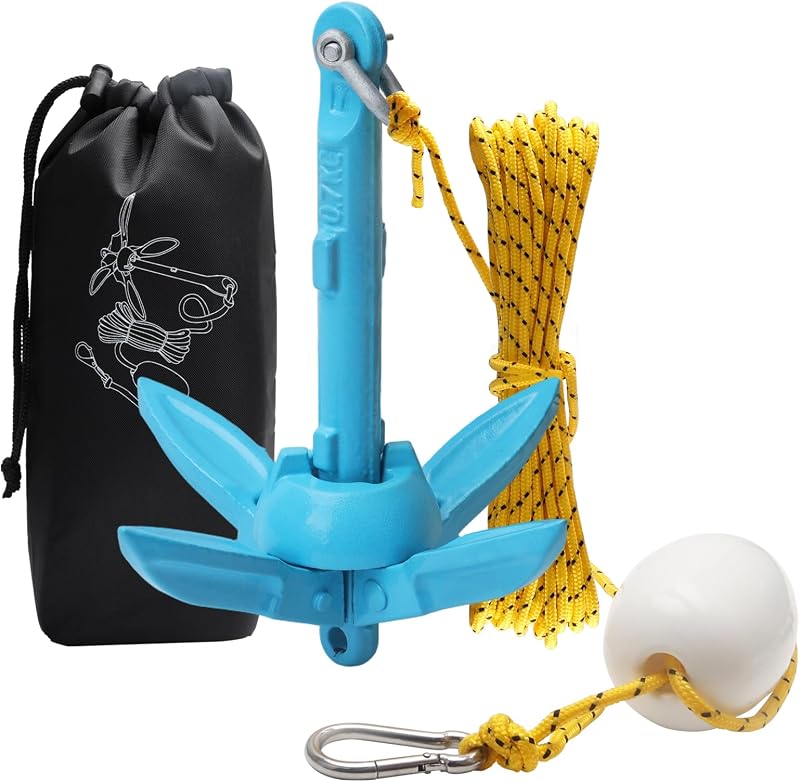
From the manufacturer Anchor Essentials: The Anchoring System More Than an Anchor Identifying the proper anchor size for a boat is not a perfect science. Boat type, boating conditions, and amount of rode and rope used, among other factors, all contribute to the ideal anchor for a given situation. An anchor is but one part of an anchoring system. The Anchor Line The anchor line is a crucial part of the system. Its stretchy, elastic characteristics prevent any destructive jerking from damaging the anchor system when waves push or pull on your boat. Both 3-strand twisted and braided nylon ropes do a great job. The Lead Chain The lead chain is also an important part of the anchoring system because it adds weight to the shank of the anchor, providing a better dig or bite into the bottom. These lead chains usually come in galvanized steel or stainless steel, but are also available with a vinyl coating to prevent damage to your vessel. Shackles & Swivels Other anchoring accessories can also support the system. Shackles allow the anchor system to take on more loads from a variety of directions. They are composed of sturdy materials like galvanized steel. Swivels alleviate the potential damage of twisting and turning from the boat's movement. Choosing an Anchor: Boat Length Boat Length is the primary consideration when selecting an anchor. It is a reference point for selecting the ideal size anchor for your vessel. However, keep in mind that the recommended sizes are typically meant for ideal conditions; also consider external factors like wind and currents. And when in doubt, always go one anchor size up. Choosing an Anchor: Weather Conditions Weather conditions are a big factor in selecting the right anchor. Coastal and open waters leave your vessel subject to wind, waves, and currents - requiring a more substantial anchor and rode. Anchoring for rivers and smaller lakes tends to be less critical since the boat is rarely subject to strong winds or currents. Choosing an Anchor: Bottom Type When selecting an anchor, it's important to consider the bottom types that you will encounter. Whether it's grass, weeds, mud, rocks or sand, make sure your anchor will perform adequately. If you expect to run into multiple bottom types, versatile plow or scoop-style anchors are an excellent all-around choice. Boat Length Weather Conditions Bottom Type Utility Deluxe Claw Navy Plow Fold-and-Hold Buying Options Buying Options Buying Options Buying Options Buying Options Add to Cart Customer Reviews 4.6 out of 5 stars 11 4.2 out of 5 stars 49 4.6 out of 5 stars 224 4.5 out of 5 stars 171 — 4.6 out of 5 stars 792 Price — no data — no data — no data — no data — no data $52.25$52.25 Application Coastal & Open Waters Coastal & Open Waters Coastal & Open Waters Coastal & Open Waters Coastal & Open Waters Coastal & Open Waters Weight Range 4.0 - 8.5 lb. 3.25 - 43.0 lb. 4.4 - 44 lb. 10 - 28 lb. 14 - 44 lb. 13 - 25 lb. Grass/Weed Bottom no data no data ✓ no data ✓ ✓ Muddy Bottom ✓ ✓ ✓ no data ✓ ✓ Rocky Bottom no data no data ✓ ✓ ✓ ✓ Sandy Bottom ✓ ✓ ✓ no data ✓ ✓ Ideal Boat Length Range 10 - 30 ft. 12 - 45 ft. 18 - 47 ft. 14 - 28 ft. 20 - 58 ft. PWCs - Boats up to 40 ft. Material Galvanized steel Galvanized steel Galvanized steel Painted aluminum or vinyl-coated iron 316 Stainless or galvanized steel Galvanized steel See More
Agregás al carrito
Sumás este y otros productos que querés traer.
Cotizás el envío
Calculamos flete aéreo y aranceles a Argentina.
Confirmás y pagás
Un asesor te contacta con el link de pago.
Lo recibís en casa
Tracking en tiempo real. Aduana incluida.
De la misma marca, empezando por lo más reseñado
Los mejor puntuados del mismo tipo de producto