Cargando el producto…

Precio desde
$ 23.646
+ flete y aranceles — se calculan al cotizar
Color
Compra protegida
Puerta a puerta
Aduana incluida
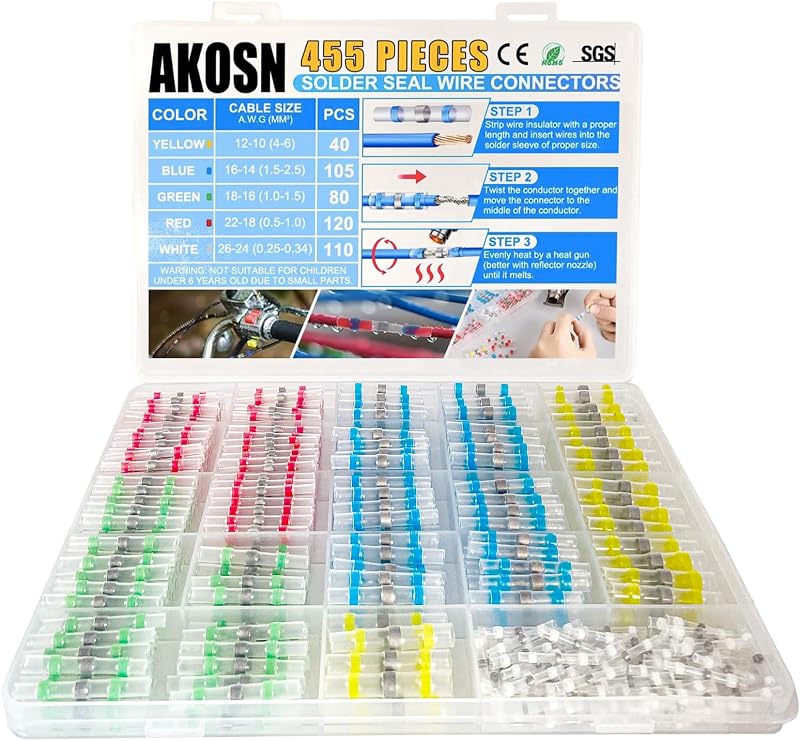
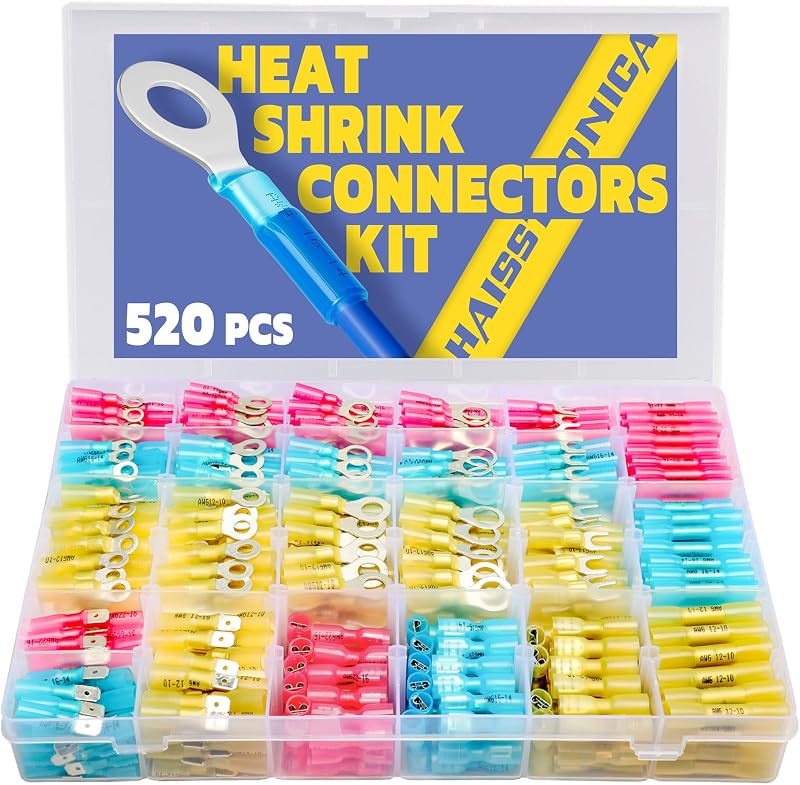
How To Use Heat Shrink Tubing for Perfect Electrical InsulationHeat shrink tubing is a useful tool for anyone working with wires and electronics. If you do any DIY electrical or electronics work, it is inevitable that you need to use heat shrink tubing at some point. You can easily insulate wires, protect connections, and fix broken items with this simple product. It is a versatile product that lets you insulate wires, add strain relief, color code cables, and even more. Knowing how to pick the right size and type of heat shrink for your project, and how to use the tubing correctly, can save you time and money—whether you’re a DIY enthusiast or just need to make quick electrical repairs around the house.Using heat shrink tubing involves selecting the right size, sliding it onto your wire or connection, and applying heat to shrink it down for a tight fit. This process not only secures your wires but also provides added protection against moisture and abrasion.What Is Heat Shrink Tubing?Heat shrink tubing is primarily made from thermoplastic materials like polyolefin, PVC, and silicone. When exposed to heat, the tubing shrinks to fit tightly around the object it covers. This feature helps create a secure seal against moisture and abrasion. Heat shrink tubing is a versatile and durable plastic tube that reduces in size when heated. It is widely used for insulation, protection, and bundling of wires and cables.The tubing is available in various sizes and colors, allowing you to choose the right fit for your project.The tubing protects against environmental factors such as moisture, dust, and chemicals.Often, heat shrink tubing is used for wire insulation, as it prevents short circuits and protects against environmental damage.How To Choose the Right Heat Shrink Tubing?Choosing the right heat shrink tubing is important for effective protection. Here are key factors to consider:Diameter SizeMeasure the diameter of the wire or component you want to cover. Select tubing that is 20% to 30% larger than this measurement.Shrink RatioThe most popular ratio of heat shrink is 2:1, followed by 3:1 and then 4:1. You can find heat shrink up to 6:1 and down to 1.2:1 ratios, but these are non-standard sizes for very specialized applications.A 2:1 ratio means the tubing shrinks to half its original diameter.A 3:1 ratio shrinks to one-third.A 4:1 ratio: The tubing shrinks to one-fourth of its original size.SizesMake sure the tubing size meets your project's needs. Common Heat Shrink Tubing to Wire Gauge Reference Guide:10-gauge wire→ Unshrunk tube diameter: 1/5 inch (5 mm)12-gauge wire→ Unshrunk tube diameter: 1/5 inch (5 mm)14-gauge wire→ Unshrunk tube diameter: 1/6 inch (4 mm)16-gauge wire→ Unshrunk tube diameter: 1/8 inch (3 mm)18-gauge wire→ Unshrunk tube diameter: 1/8 inch (3 mm)20-gauge wire→ Unshrunk tube diameter: 1/8 inch (3 mm)22-gauge wire→ Unshrunk tube diameter: 1/10 inch (2.5 mm)24-gauge wire→ Unshrunk tube diameter: 1/12 inch (2 mm)26-gauge wire→ Unshrunk tube diameter: 1/16 inch (1.5 mm)Different wire insulations have different thicknesses, so the outer diameter of a wire can differ slightly, depending on the type of insulation it has. I have taken this into account when making the above table.Unless you need a large amount of shrink tubing of a single diameter, the best approach is to just buy a kit that has short lengths of the most common sizes. These usually last a while and make sure that you always have the right size of heatshrink at hand.If ‘regular’ heat shrink is enough for you, a simple kit with 2:1 shrinking ratio tubing will meet your needs. If you need connections that are waterproof (for boats, cars, RC stuff, etc.), a 3:1 adhesive-lined heat shrink kit is better.Tubing SizeAlways check the tubing's specifications. The correct size ensures a tight fit after heating, protecting your wires effectively. When you pick the right size, consider both the original diameter of the wire and the shrink ratio for best results. This will ensure proper insulation and protection.What Size of Heat Shrink Do You Need?With so many different sizes of heat shrink tubing available, it can feel difficult to pick the right size. But once you know what to keep in mind, choosing the correct diameter heatshrink is actually fairly straightforward.The most important thing when picking heat shrink tubing is to choose a shrunken diameter that is smaller than the smallest wire, connector or component that you are insulating. What matters in the end is that the heatshrink fits tightly around the wire/connector/component after shrinking.In terms of the unshrunk diameter, you want it to be at least 20-30% larger than the largest component that you are covering. That way, you can position it with ease.How To Apply Heat Shrink Tubing?Applying heat shrink tubing correctly is essential for ensuring a snug and durable fit over wires or cables. This process involves sliding the tubing onto the wire and then applying heat evenly to shrink
Agregás al carrito
Sumás este y otros productos que querés traer.
Cotizás el envío
Calculamos flete aéreo y aranceles a Argentina.
Confirmás y pagás
Un asesor te contacta con el link de pago.
Lo recibís en casa
Tracking en tiempo real. Aduana incluida.
Los mejor puntuados del mismo tipo de producto
Mismo tipo de producto y precio parecido