Cargando el producto…

Precio de origen
$ 43.022
+ flete e impuestos
Tamaño
Compra protegida
Puerta a puerta
Gestión aduanera
Tu compra, acompañada de principio a fin
Todo esto está en los Términos y Condiciones. Leerlos
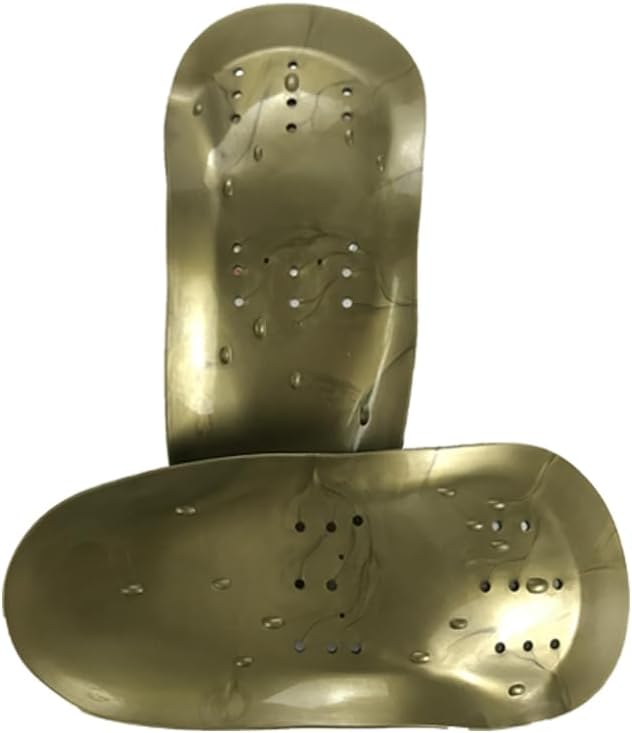
Product description Footminders CASUAL Orthotic Arch Support Insoles Size MEDIUM: Men 7½ - 9, Women 8½ -10 Relieve Foot Pain Due to Flat Feet and Plantar Fasciitis with Footminders CASUAL Orthotic Arch Support Insoles Designed by podiatrists for pain-relieving arch support and comfort For use in men's and women's low-heeled dress shoes without laces Ideal for people who walk or stand for long periods of time Recommended by podiatrists and chiropractors to relieve foot pain and plantar fasciitis due to flat feet and low arches Especially designed to provide firm arch support and cushioning to relieve foot pain and heel pain Provides biomechanical alignment of your lower body by preventing overpronation (rolling inward at the ankles) Overpronation caused by flat feet may result in lower-body problems What is overpronation, and how does it affect the lower body functions? Overpronation describes the rolling inward of our ankles as we walk, often caused by flat feet or low foot arches. This imbalance can result in conditions such as plantar fasciitis, an irritation of the plantar fascia that causes a sharp pain at the front of the heel bone, especially when getting out of bed. Plantar fasciitis can cause severe pain around the foot arches and heels What is Plantar Fasciitis, and what are the symptoms? Plantar Fasciitis consists of a sharp stabbing pain at the bottom or front of the heel bone. In most cases, heel pain is more severe following periods of inactivity when getting up and then subsides, turning into a dull ache. Plantar Fasciitis is caused by abnormal pronation of the foot. As a result of overpronation, with every step the Plantar Fascia (band of tissue under the foot) is being stretched, resulting in inflammation, irritation and pain at the attachment of the fascia into the heel bone. In some cases the pain is felt under the foot, in the arch. Footminders CASUAL orthotics prevent overpronation by providing firm but comfortable support for the foot arches, preventing the ankles from rolling inward. Q. What are Footminders orthotics made of? Are they hard or soft? Footminders orthotic technology enables our products to be firm enough to provide needed arch support, but pliable enough to provide cushioning, and to mold to your feet after a few days of wear, providing maximum walking comfort. They are made of a medium-density material called E.V.A. The major advantage of E.V.A. is that it is supportive and ‘giving’ at the same time. Q. ¿Cuánto tiempo me llevará acostumbrarme a mis nuevas ortesis? Debido a los materiales "amigables para los pies" utilizados en Footminders y su forma anatómica (siguiendo las curvas naturales del pie), la mayoría de nuestros clientes los encuentran cómodos inmediatamente después de calzarse los zapatos. Algunas personas, sin embargo, necesitan algo de tiempo para acostumbrarse a ellas y para que las plantillas se adapten a sus pies. Si la ortesis se siente extraña o incómoda al principio, le recomendamos que la use solo durante una hora por día y aumente el tiempo de uso entre media y una hora adicional todos los días, hasta que se sienta completamente cómoda. P. ¿El precio indicado es para una sola plantilla ortopédica Footminders o para un par? Todos nuestros productos de plantillas ortopédicas se venden exclusivamente en pares, siendo el motivo principal la respuesta a la siguiente pregunta. P. Sólo me duele uno de los pies. ¿Necesito usar las ortesis Footminders en AMBOS zapatos? La mayoría de las personas experimentan dolor sólo en el pie izquierdo o derecho (o en el talón o la rodilla), no en ambos. Sin embargo, aún necesitará usar la ortesis en AMBOS zapatos, porque usar la ortesis en un solo zapato elevará ligeramente un lado y puede desequilibrar su cuerpo, provocando que sus caderas no estén alineadas. Por lo tanto, use siempre las plantillas ortopédicas en AMBOS zapatos. P. What is the difference between Footminders orthotics and regular insoles/footbeds? There’s a big difference between regular insoles/footbeds and orthotics! Regular footbeds are mainly designed to provide a cushioning effect and shock absorption. They may feel comfortable at first, however they do not address any biomechanical problems i.e. they do not correct overpronation. Orthotics are a functional device, designed to correct and optimize our foot function. Some footbeds also feature an arch support, but often the support is too weak to have any effect or benefit, especially if the footbeds are made of very soft materials. How do orthotics exactly work? First of all, orthotics do a lot more than supporting the arches. Orthotics re-align the feet and ankles and restore ‘faulty’ foot function. In addition, orthotics provide an even weight distribution, taking pressure off sore spots (e.g. the heels, the ball of the foot, and corns in between toes and bunions). They also provide some degree of shock absorption, but this is not their main purpose. The main purpose of an orthotic insole is to improve foot function and in many cases this will reduce foot pain and prevent future problems and injury. Q. Can I put Footminders insoles in the washin
Agregás al carrito
Sumás este y otros productos que querés traer.
Cotizás el envío
Calculamos flete aéreo y aranceles a Argentina.
Confirmás y pagás
Online con tarjeta, o por transferencia, con el total final a la vista.
Lo recibís en casa
Seguimiento en tiempo real. El despacho lo hacemos nosotros.
Lo que suele llevarse para tus zapatillas · un solo envío para todo
Los mejor puntuados del mismo tipo de producto
Mismo tipo de producto y precio parecido